Tend to your blisters and go for a walk
A couple of weeks ago, I got a new pair of DMs to replace their predecessors suffering from a considerable case of “wear and tear-ititis”. Those initiated know that such a change doesn’t come painlessly. Once the first generation of blisters caused by the mixture of enthusiasm and amnesia heals, you employ protective measures to prevent the second generation from forming. However, no procedure is flawless, and it is likely to fail at some stage. I am at the moment observing a second-generation development on my right foot, which posed a significant dilemma this morning. To skip the morning walk on the coastal path or patch it up and go.
As you might have guessed, I opted for the latter and limped my way to the marina while ordering a new box of Compeeds on my phone. The coastal path is a special type of ecosystem. You can’t see it until you become a part of it. That lady in a bright blue jacket that I can recognise from a far distance by the character of her walk. The dog with a perfect face for a Disney villain in Lady and the Tramp. The runner who always wears shorts. The family that joins every morning to walk their dogs together. The crows that crack shells by throwing them from high on the beach stones. The depressed heron that always sits in the same spot in the morning, crouching, staring at the horizon. The “good mornings” and “hellos” become an understated acknowledgement of the integrity of the ecosystem.
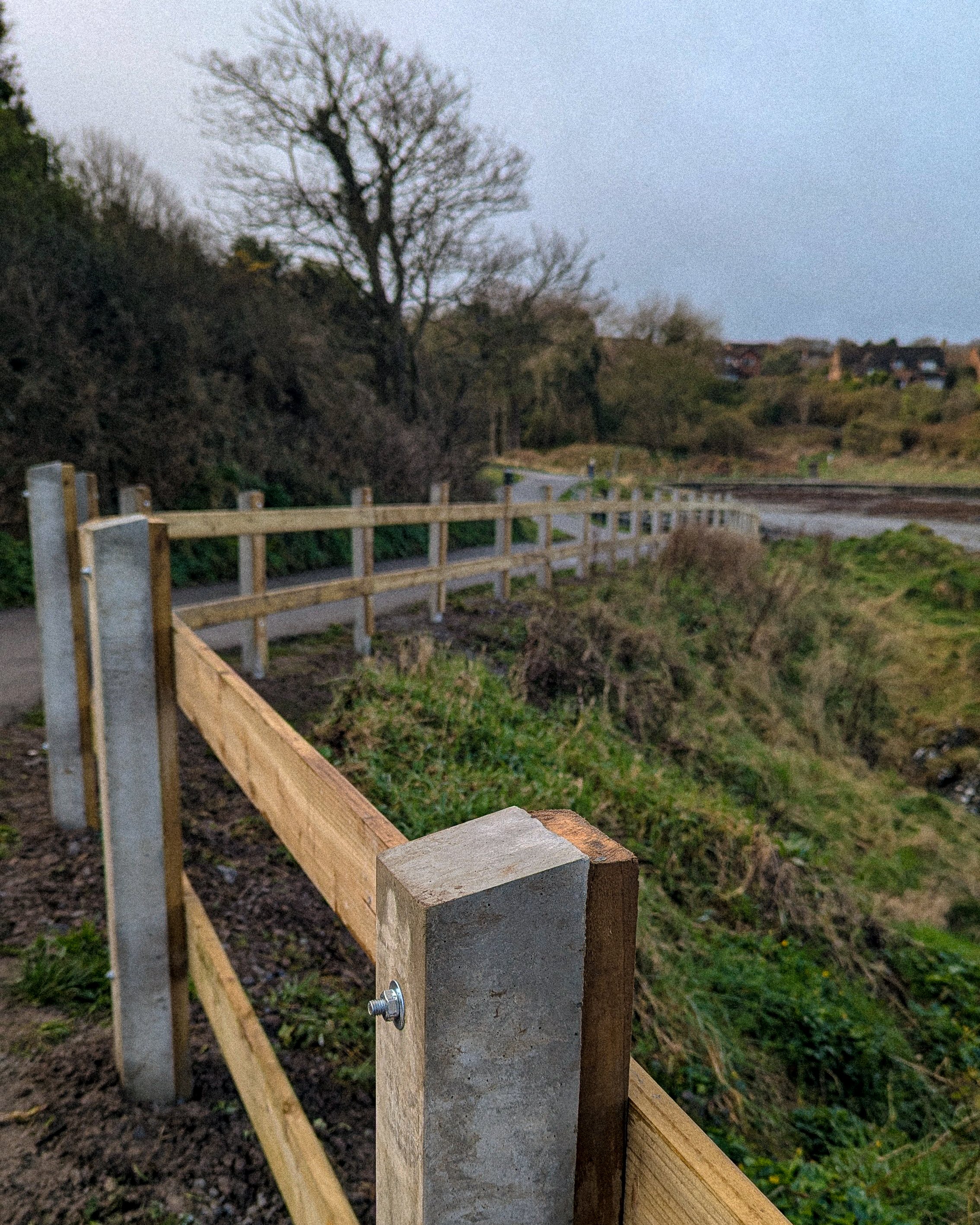
When anything disturbs the balance, it is immediately felt. Not just noticed, felt. Like the new fence that was put up last week, which made many wonder. The contractors do not know, the council doesn’t know, but the path knows and feels it. It will take a few rainy weeks until the fence weathers, the grass grows around its base, and the eye softens. Then it integrates into the ecosystem. Now irreversibly changed.
While walking, I have been thinking a lot about para-academic spaces and the underground networks of connections that keep us sane in the world where overground sanity imploded with profound intensity. I also thought of the Scandinavian folk high schools model, housing seminars in communist Czechoslovakia, interest groups formed around art practice, books or specific subjects, and places. When we are creating those spaces, aren’t we just building monocultures instead of ecosystems? How would they be even able to survive if they didn’t specialise, market themselves, and put up barriers at the point of entry to ensure safety for their members? Is there a model like the coastal path? No leaders, no barriers. Can we do academia without professors? Jungian studies without Jung? Spiritual practices without gurus? Art practice that grows from the land rather than from the great masters. Philosophy understandable for anyone taking up the challenge to think? Can we include animals, plants, the asphalt of the road, the rainbow and even the ugly new fence? The thoughts come and go; their movement can’t be predicted, and they resist being captured.
I don’t have answers, but I learned that the key to the ecosystems is showing up. Taking care of your own blisters, but getting out there every day to say, “good morning”. I think that one day, even the new DMs will break in.